Commercial Projects
Managing Large Commercial Roofing Projects Efficiently
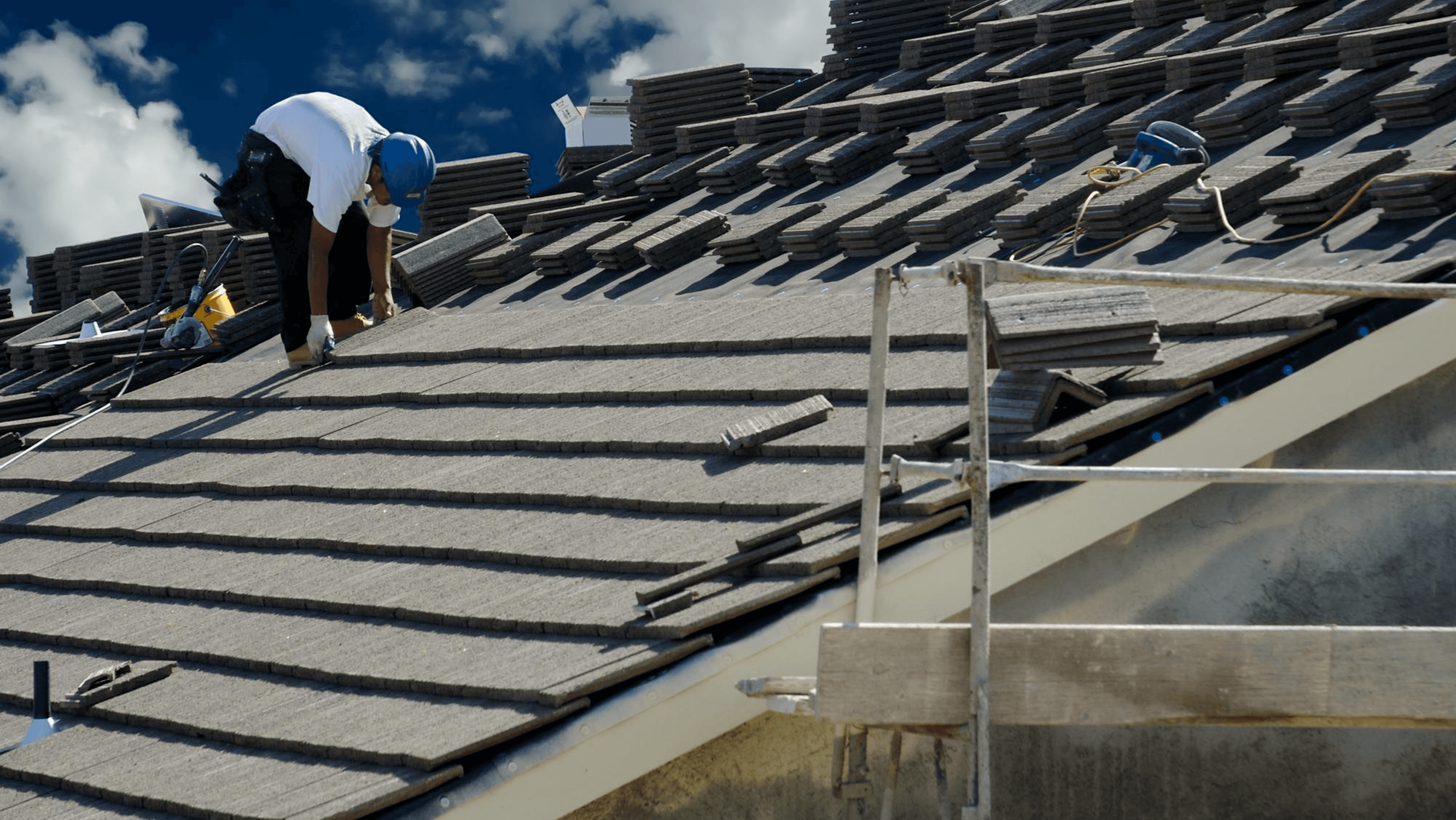
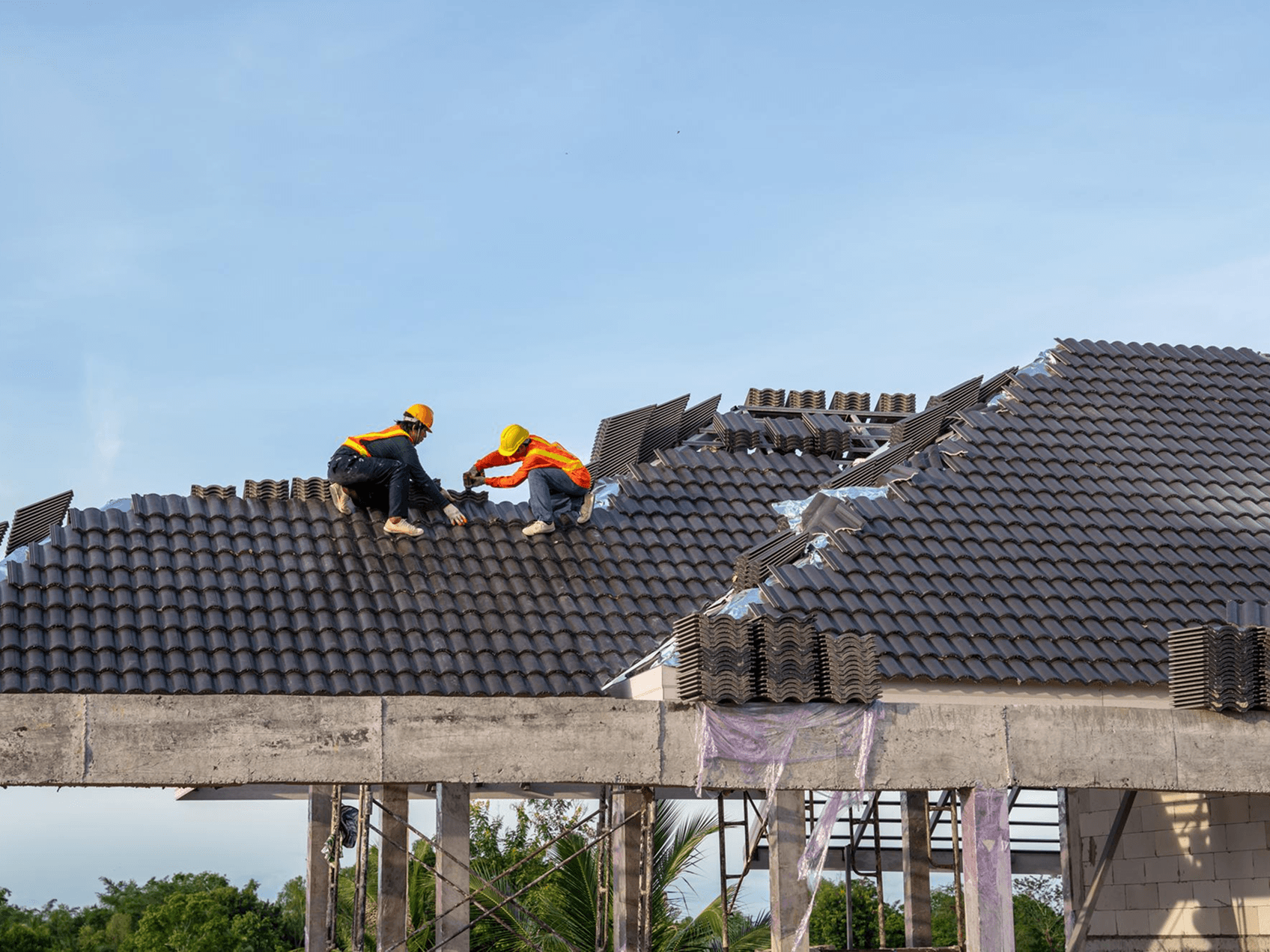
Large commercial roofing projects require careful planning, coordination, and execution to ensure safety, durability, and long-term performance. Unlike residential work, these projects involve bigger structures, tighter deadlines, and complex system requirements. Efficient management plays a key role in delivering consistent quality while minimizing disruption to business operations.
Detailed Project Assessment and Planning
Every commercial roofing project begins with a comprehensive assessment of the existing structure and requirements. This includes evaluating roof size, material condition, drainage systems, and structural integrity. A clear project plan is then developed to define scope, timeline, materials, and resource allocation, ensuring all phases are properly organized before work begins.
Material Selection and Procurement Strategy
Choosing the right materials is critical for long-term durability and performance in commercial roofing. Factors such as weather resistance, energy efficiency, and load capacity are carefully considered. Efficient procurement ensures that materials are sourced on time and meet project specifications, reducing delays and maintaining workflow continuity.
Workforce Coordination and Scheduling
Large roofing projects require skilled teams working in coordination. Proper scheduling ensures that tasks such as removal, installation, insulation, and finishing are completed in the correct sequence. Effective workforce management helps maintain productivity, prevents overlap, and ensures that safety protocols are consistently followed on-site.
Safety Management and Compliance
Safety is a top priority in commercial roofing environments. Strict adherence to safety regulations, use of protective equipment, and regular site inspections help reduce risks. Compliance with industry standards and local building codes ensures that the project meets legal requirements and maintains a safe working environment for all personnel.

Quality Control and Progress Monitoring
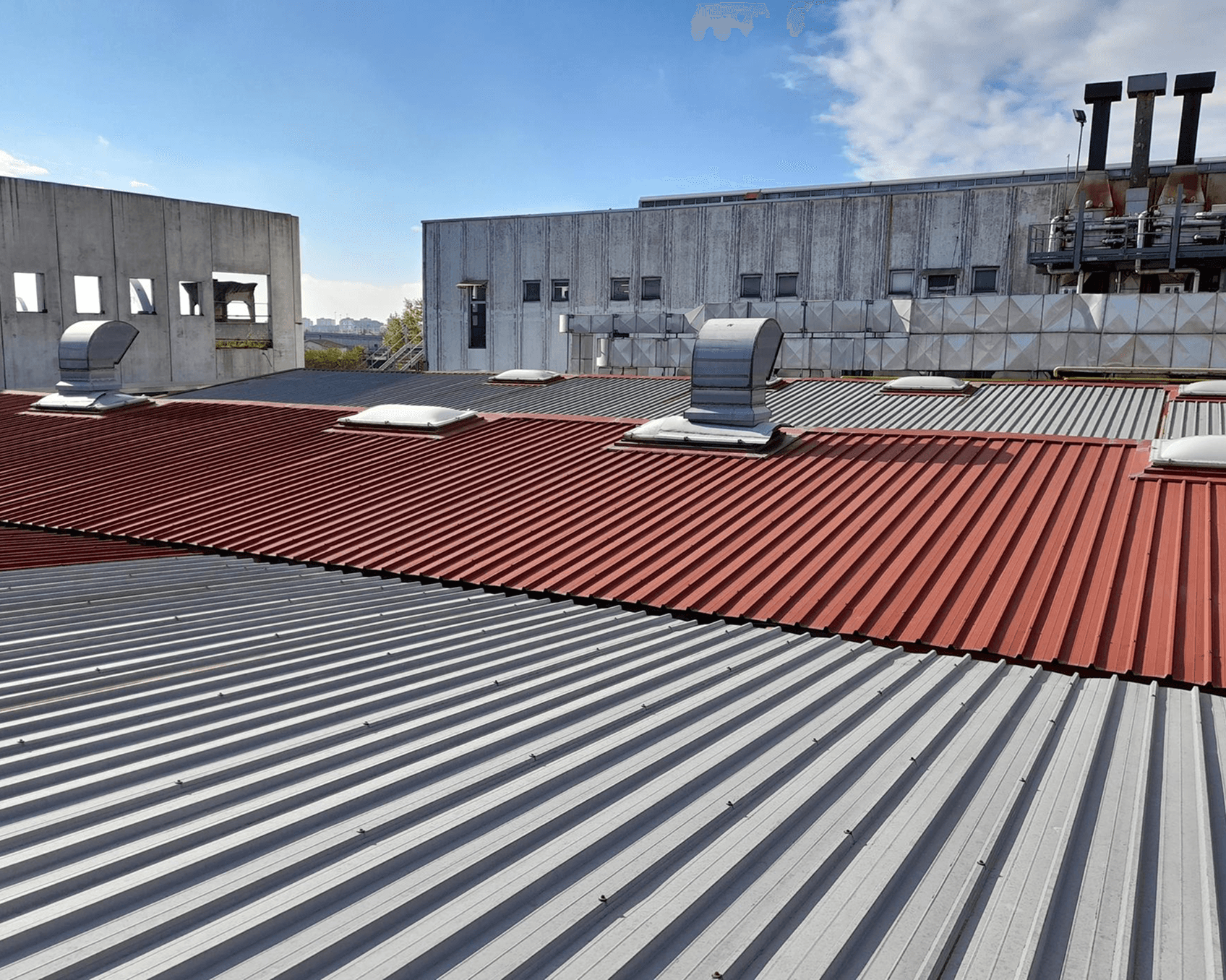
Continuous monitoring of work quality is essential to ensure that every stage of the roofing process meets required standards. Regular inspections help identify issues early, allowing for immediate corrections. Progress tracking also ensures the project stays on schedule and aligns with the original plan and specifications.
Minimizing Business Disruption
One of the key challenges in commercial roofing is reducing disruption to daily operations. Careful scheduling, phased construction, and noise management strategies help minimize impact on employees and customers. Efficient coordination ensures that businesses can continue functioning while roofing work is underway.
Final Thoughts
Efficient management of large commercial roofing projects requires structured planning, skilled coordination, and strict quality control. When handled properly, these projects deliver long-lasting roofing systems with minimal disruption and maximum performance. A well-managed process ensures durability and supports the operational needs of commercial properties.