Construction
How Smart Roofing Systems Improve Energy & Efficiency
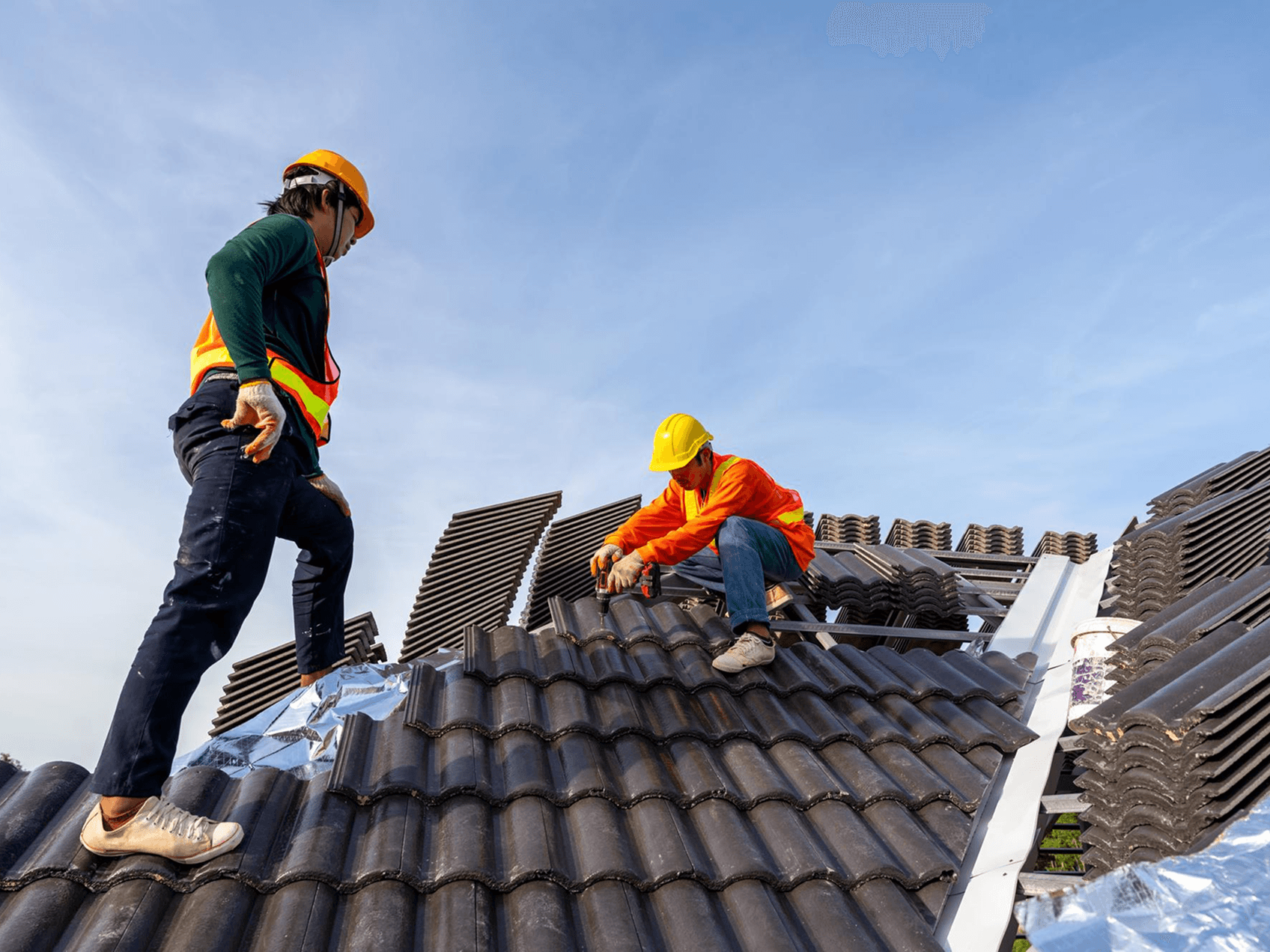
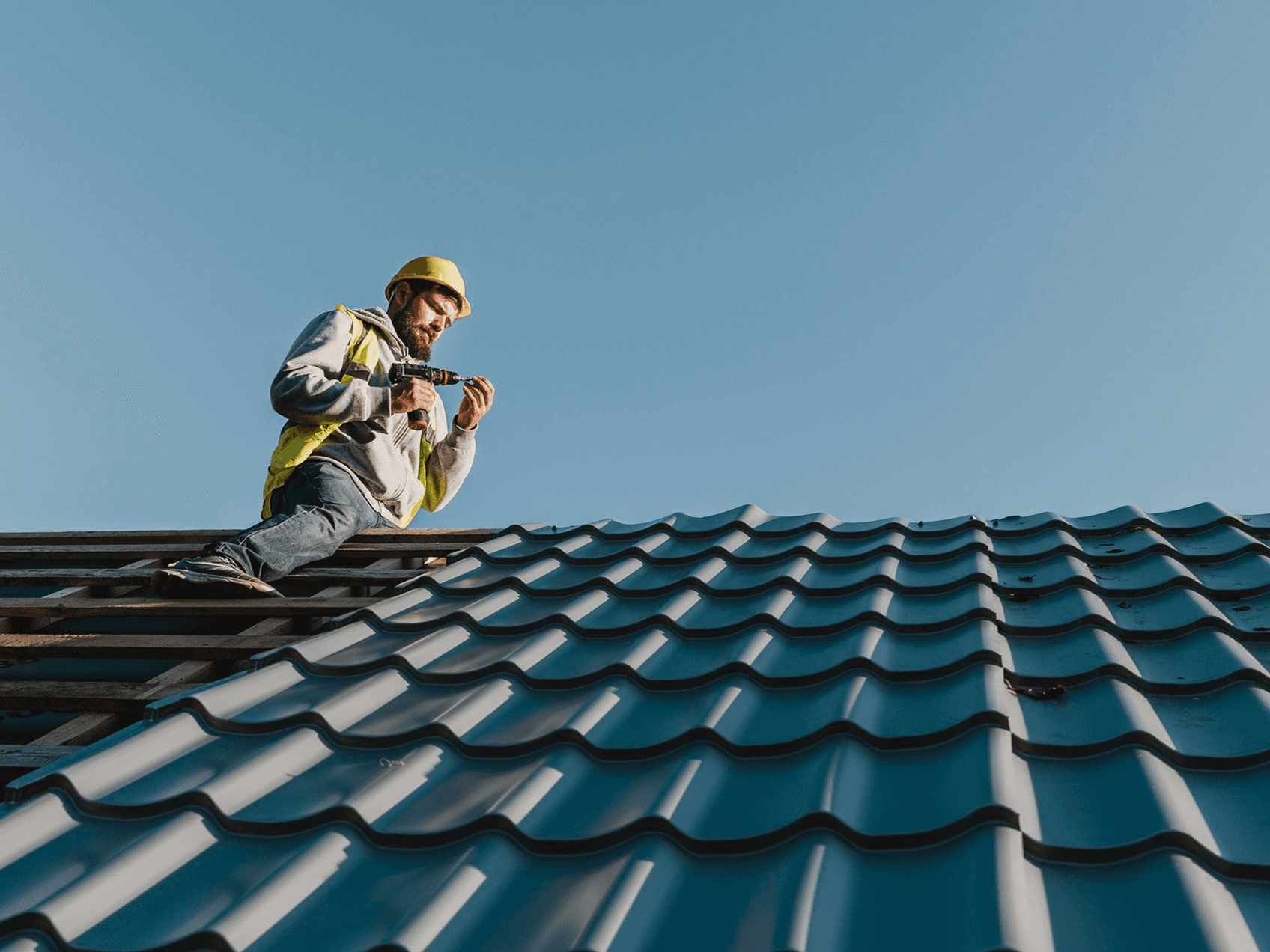
Modern roofing technology has evolved beyond basic protection. Smart roofing systems are designed to enhance energy performance, regulate indoor temperatures, and improve overall building efficiency. By integrating advanced materials and intelligent design principles, these systems help reduce energy waste while maintaining long-term structural performance.
Reflective Roofing Materials and Heat Control
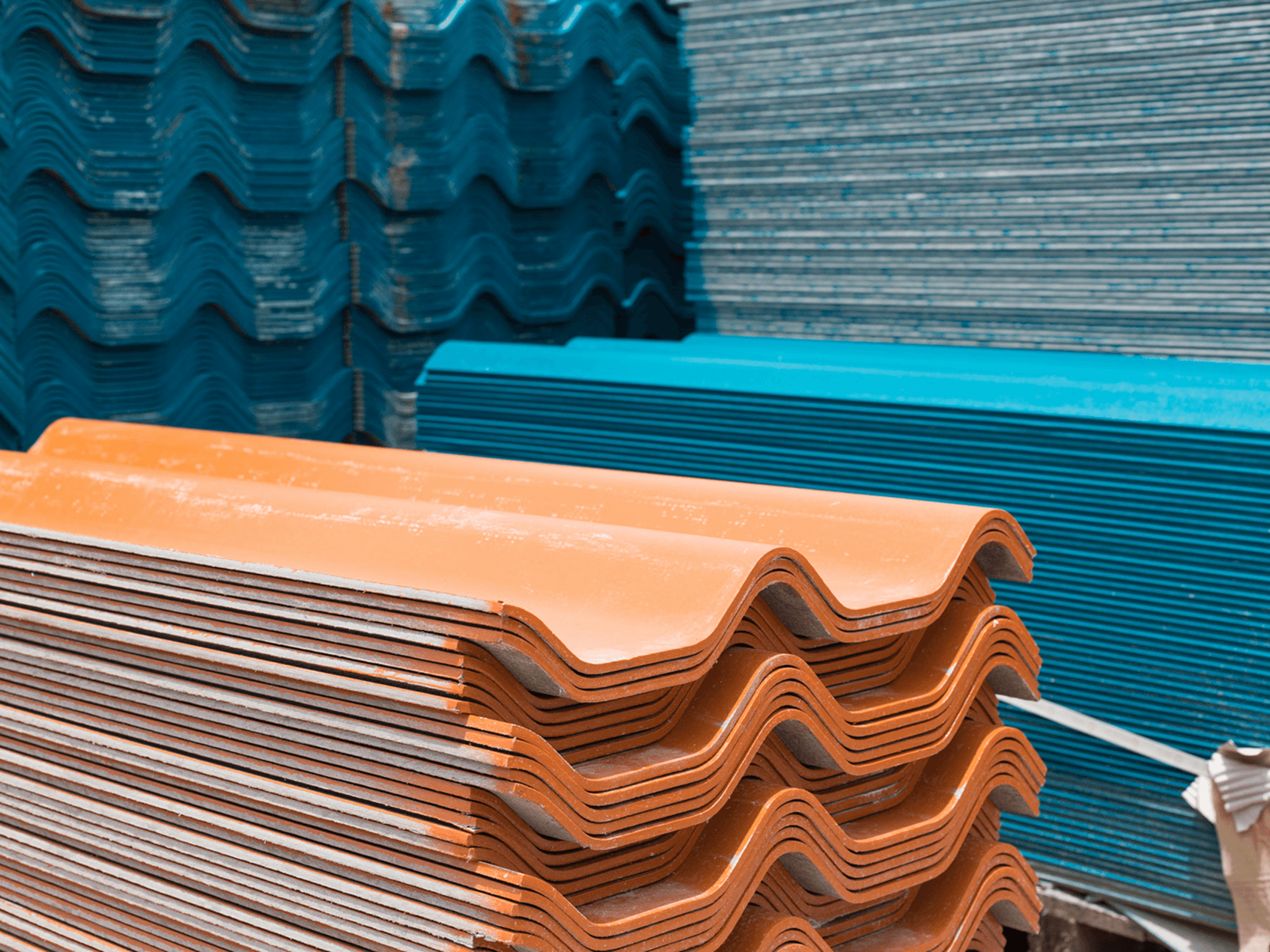
Smart roofing systems often use reflective or “cool roof” materials that are designed to bounce back a significant portion of sunlight instead of absorbing it. Traditional roofs tend to trap heat, which increases indoor temperatures, especially in hot climates. Reflective surfaces reduce heat gain, helping maintain a more stable indoor environment throughout the day.
Enhanced Thermal Insulation Layers
A key feature of smart roofing systems is the integration of advanced insulation materials. These layers help minimize heat transfer between the interior and exterior of a building. As a result, homes stay cooler during hot weather and retain warmth during colder months. This balanced thermal control reduces the need for excessive heating or cooling.
Energy-Efficient Ventilation Design
Smart roofing systems often incorporate optimized ventilation structures that support consistent airflow through the attic and roof space. Proper airflow prevents heat buildup and moisture accumulation, both of which can negatively impact energy efficiency. This controlled ventilation helps the entire roofing system perform more effectively.
Integration with Solar Energy Systems
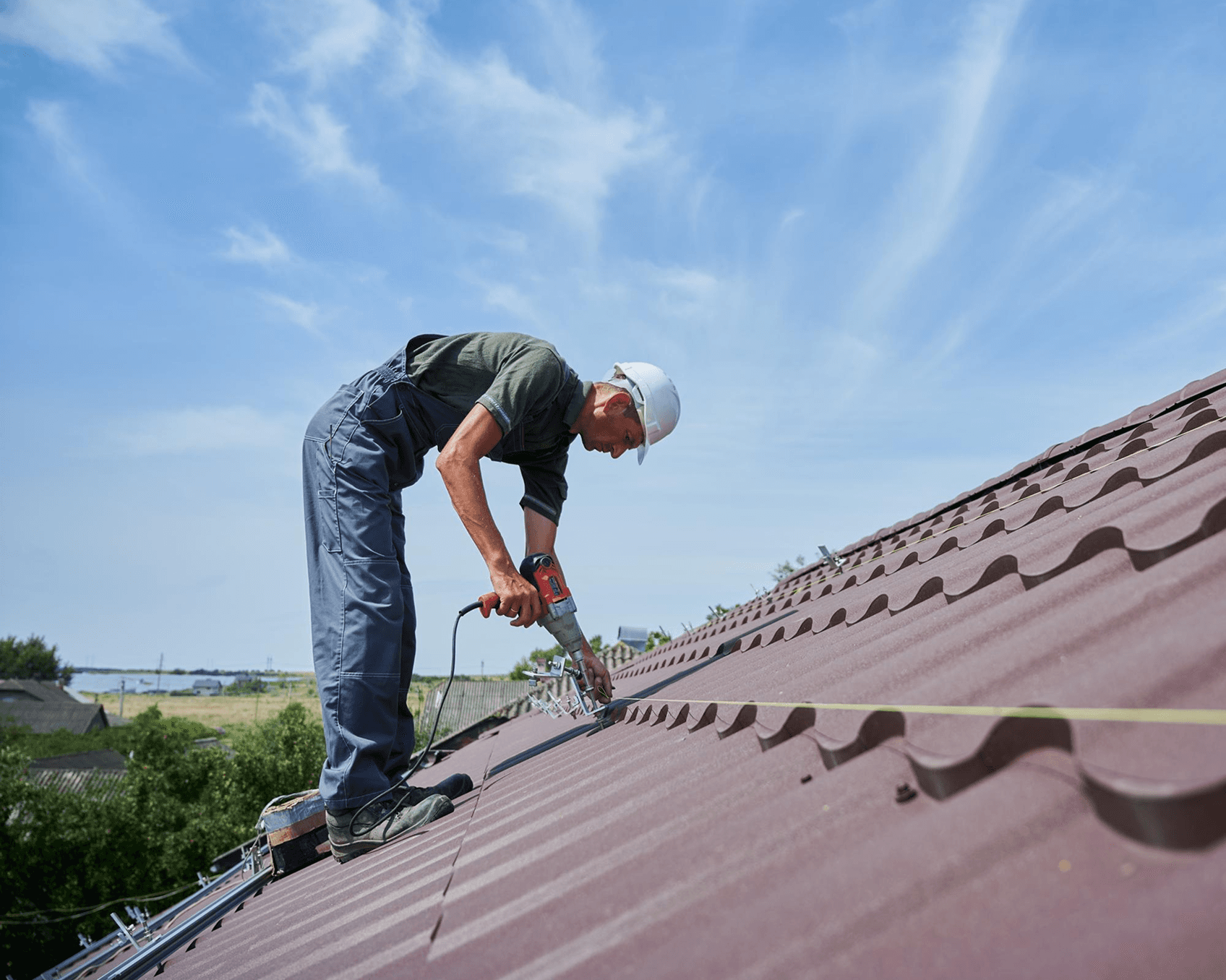
Many smart roofs are designed to support solar panel installation or even integrate solar technology directly into roofing materials. This allows buildings to generate renewable energy while reducing dependence on traditional power sources. Over time, this can significantly lower electricity costs and improve overall energy sustainability.
Moisture and Weather Adaptive Technology
Advanced roofing systems are built to respond better to changing environmental conditions. Specialized layers and coatings help manage moisture, prevent water penetration, and reduce heat absorption during extreme weather. This adaptability helps maintain consistent energy performance regardless of external conditions.
Moisture and Weather Adaptive Technology
One of the biggest advantages of smart roofing systems is their ability to reduce long-term energy consumption. By improving insulation, reflecting heat, and supporting renewable energy integration, these roofs reduce the strain on HVAC systems. This leads to lower utility bills and improved overall building efficiency.
Final Thoughts
Smart roofing systems represent a major advancement in modern construction. By combining energy-efficient materials, intelligent design, and renewable energy compatibility, they offer a practical solution for improving comfort and reducing energy costs. Investing in such systems not only enhances building performance but also contributes to long-term sustainability.