Roofing Tips
Top Roofing Problems and Smart Ways to Prevent Them

Your roof is constantly exposed to changing weather conditions, temperature shifts, and natural wear and tear. Over time, these factors can lead to various roofing problems that affect the safety, efficiency, and structure of your home. Understanding these issues helps you recognize early warning signs and take timely action.
Roof Leaks and Water Intrusion
Roof leaks are one of the most frequent and damaging problems homeowners face. They often start small, with tiny cracks in shingles, flashing gaps, or weakened sealants. Over time, water finds its way through these openings and spreads into the roofing layers. This can lead to interior water stains, damaged ceilings, mold growth, and even structural weakening if ignored for too long.
Shingle Damage and Deterioration
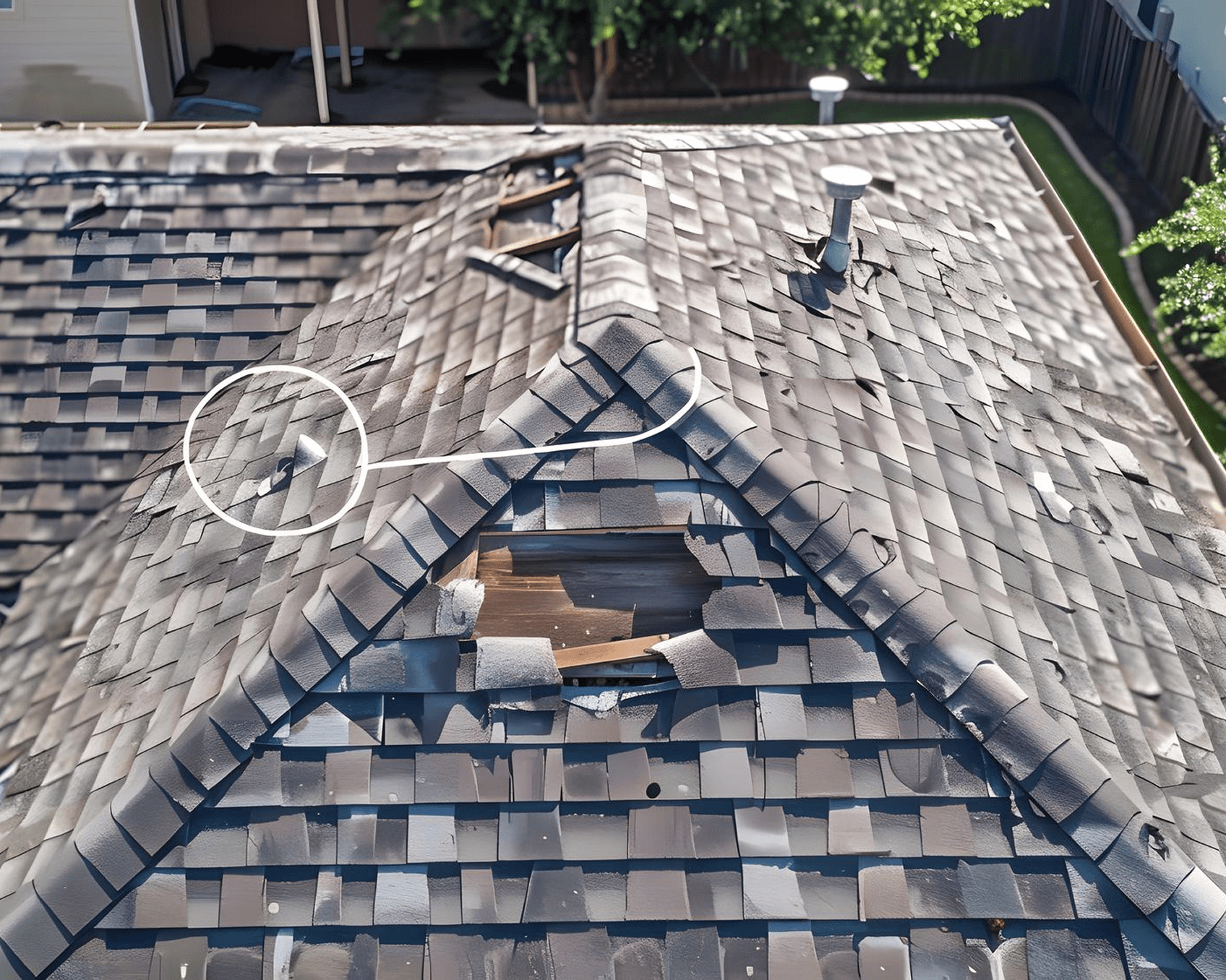
Shingles act as the primary protective layer of your roof, but they naturally degrade over time. Exposure to strong sunlight, heavy rain, and wind can cause shingles to curl, crack, or become loose. In some cases, entire sections may go missing after storms. This type of damage reduces the roof’s ability to protect the underlying structure and often signals aging or weather stress.
Poor Roof Ventilation Issues
Roof ventilation plays a crucial role in maintaining temperature and moisture balance inside your home. When ventilation is insufficient, heat can become trapped in the attic, causing increased indoor temperatures and higher energy usage. Moisture buildup may also occur, leading to condensation problems that slowly damage wooden structures and insulation materials over time significantly.
Gutter Blockage and Drainage Problems
Gutters are responsible for directing rainwater away from the roof and foundation. When they become clogged with leaves, dirt, or debris, water cannot flow properly. This leads to overflow, which can back up onto the roof edges or pool around the property. Continuous exposure to standing water can weaken roofing materials and create long-term moisture-related issues.
Flashing Wear and Structural Gaps
Flashing is installed around roof joints, chimneys, skylights, and vents to prevent water entry. However, flashing materials can deteriorate due to weather exposure, shifting roof structures, or improper installation. Once flashing becomes loose or damaged, even small openings can allow water penetration, often leading to hidden leaks that are difficult to detect early.
Aging Roof Structure
Every roof has a limited lifespan, and as it ages, multiple issues begin to appear at once. Materials lose their strength, protective layers wear down, and the overall structure becomes less resilient to weather conditions. Aging roofs are more likely to develop leaks, sagging areas, and recurring maintenance problems, making them less reliable over time.
Final Thoughts
Roofing problems often develop gradually, starting as minor issues that are easy to overlook. However, these small defects can escalate into serious damage if not addressed in time. Understanding the common problems helps homeowners stay aware of their roof’s condition and maintain a safer, more durable property overall.